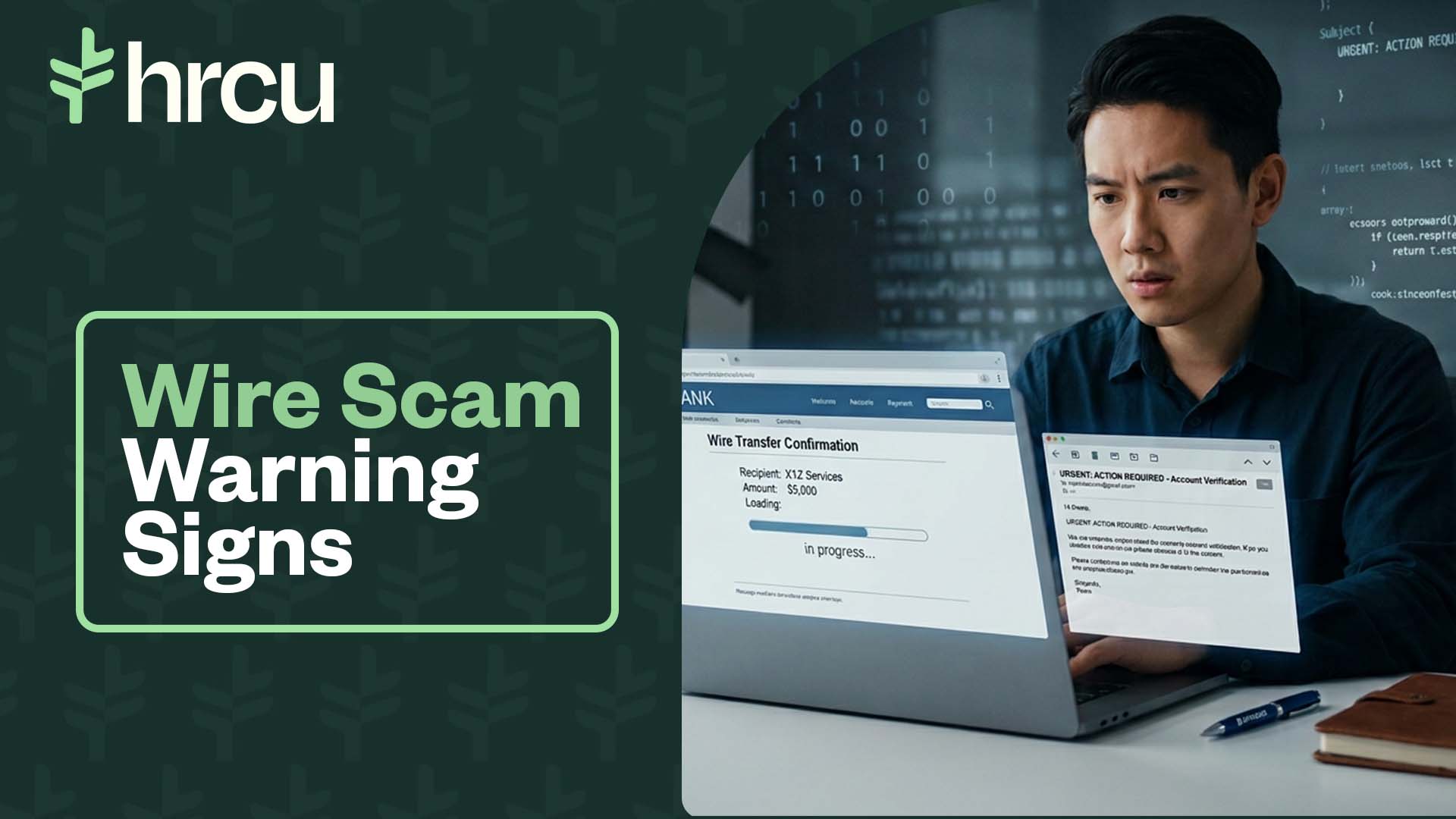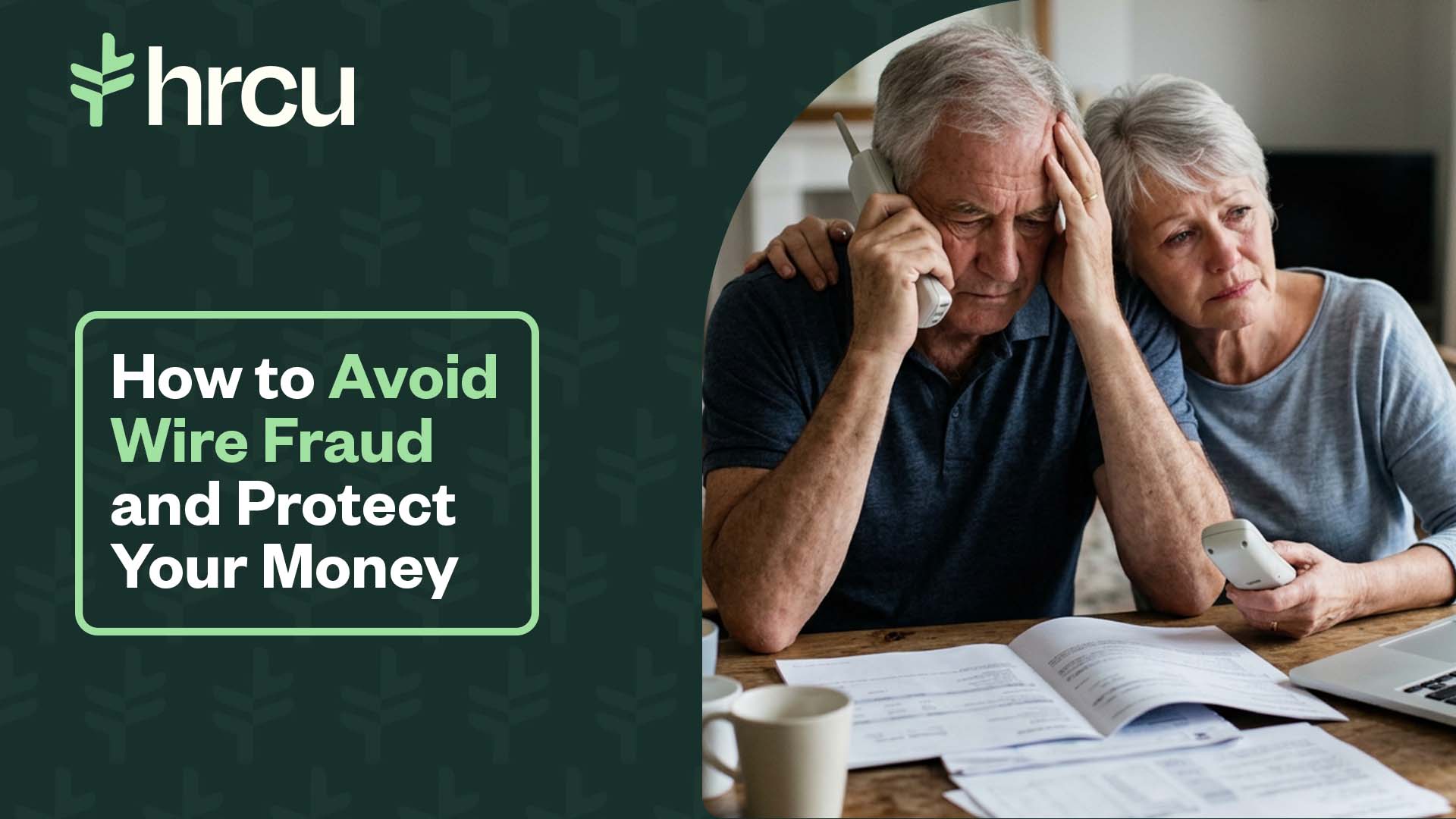
Wire fraud continues to be one of the fastest-growing financial scams in the United States. Criminals use sophisticated tactics to convince people to send money quickly, often posing as trusted organizations, businesses, or even family members.
The good news? Most wire scams can be prevented by slowing down and verifying requests before sending funds. Here are seven practical ways to protect yourself.
Slow Down Before Wire Transferring Money
Urgency is a scammer's favorite tool. Whether someone claims your account is compromised or a family member needs immediate help, take a moment to pause and review the situation.
Legitimate organizations will allow you time to verify information.
Verify Payment Instructions Independently
Never rely solely on contact information provided in an email, text, or message. Stay safe by:
- Look up the phone number yourself.
- Call a known contact.
- Confirm account details verbally.
This is especially important for large transactions and real estate closings.

Be Skeptical of Last-Minute Changes
If payment instructions suddenly change, stop immediately. Fraudsters often gain access to email conversations and insert fake wire instructions shortly before a transaction occurs.
Always confirm changes using trusted contact information already on file.
Never Wire Money for These Situations
A wire transfer should raise concern if you're being asked to:
- Claim a prize: Legitimate prizes do not require you to wire money to claim them, so a request for payment is a strong sign of a scam.
Pay government fees: Government agencies generally do not demand payment through wire transfers, especially through unsolicited calls, texts, or emails.
Resolve a supposed account issue: Scammers often create a false sense of urgency and request wire transfers because the money is difficult to recover once sent.
Pay bail for a relative: Fraudsters frequently impersonate loved ones in emergencies to pressure victims into wiring money quickly without verifying the situation.
Help someone you've only met online: Requests for money from online-only relationships are a common fraud tactic, especially when the person asks for a wire transfer instead of safer, verifiable payment methods.
These are among the most common wire fraud tactics.
Protect Yourself During Real Estate Transactions
Homebuyers are often targeted for wire fraud because real estate transactions involve large sums of money and multiple parties exchanging sensitive financial information.
Scammers exploit the fast-paced closing process by sending fake wire instructions that appear legitimate, hoping buyers will act quickly without verifying the details by phone.
Before wiring closing funds:
- Confirm instructions directly with your attorney or title company.
- Use a verified phone number.
- Double-check account information.
A five-minute verification could save thousands of dollars.
Don't Send Money Back Until Funds Are Verified
If someone sends you a check and asks for part of the money back, proceed with caution. Even if the deposit appears in your account, the check may later be identified as fraudulent.
Wait until funds are fully verified before sending any money.

Ask Questions When Something Doesn't Feel Right
Scammers often try to isolate victims from trusted friends, family members, or financial institutions because a quick conversation with someone else can expose the fraud.
If you're unsure about a transaction:
- Talk with a trusted family member.
- Contact your financial institution.
- Seek advice before completing the transfer.
An extra question today can prevent a major financial loss tomorrow.
What to Do If You Think You've Been Targeted
If you suspect someone is attempting to scam you through a wire transfer request:
- Stop the transaction immediately.
- Contact your financial institution.
- Report suspicious activity.
- Save emails, texts, and documentation related to the request.
The sooner suspicious activity is reported, the better the chances of minimizing losses.
Protecting Yourself Starts with One Extra Step
Most wire fraud schemes depend on people reacting before they verify. A single pause, one phone call, or one extra question can make all the difference.
Before sending money, take the time to confirm who you're sending it to and why. Your patience may be the strongest fraud prevention tool you have.