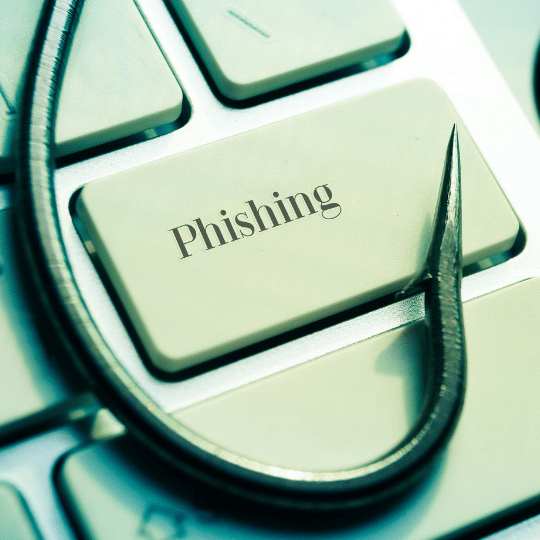
Phishing scams are becoming more sophisticated, targeting consumers through email, text messages, phone calls, social media, and even fake websites. Learning how to spot the warning signs of a phishing attack can help protect your personal information, finances, and online accounts before scammers have a chance to strike.
While phishing tactics continue to evolve, most fraud attempts fall into a few common categories. Understanding how these scams work is the first step toward staying safe online and avoiding costly mistakes. Here are seven of the most common phishing scams affecting consumers today and how to recognize them.
See How to Protect Yourself
Email Phishing Scams
Email phishing remains one of the most widespread forms of fraud.
Scammers send emails that appear to come from trusted organizations such as:
- Banks and credit unions
- Online retailers
- Shipping companies
- Government agencies
Vishing Scams (Phone Call Phishing)
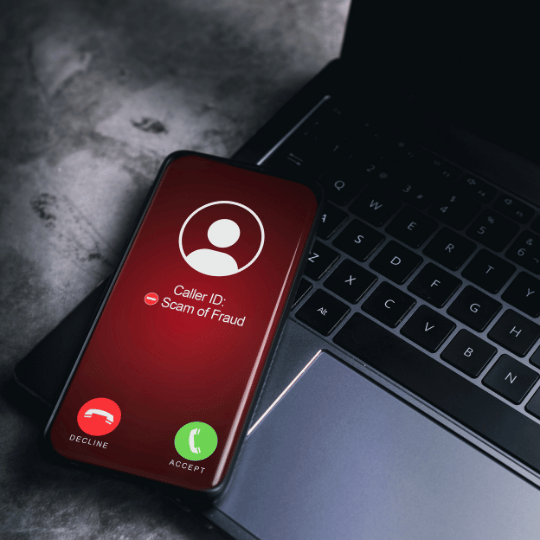
Vishing occurs when scammers use phone calls to impersonate trusted organizations.
A caller may claim to be:
- A financial institution employee
- A government representative
- Technical support
- Law enforcement
The caller often pressures victims to provide personal information or send money.
Smishing Scams (Text Message Phishing)
A smishing scam uses text messages to trick victims into clicking links or providing sensitive information.
Common examples include messages claiming:
- A package cannot be delivered
- An account has suspicious activity
- A payment is overdue
- An account requires verification
These scams often create urgency to convince victims to act immediately.
Fake Website Scams
Scammers create websites that closely resemble legitimate businesses.
Victims unknowingly enter:
- Usernames
- Passwords
- Account information
The information is then collected and used for fraud.
Always double-check website addresses before logging in.
Account Verification Scams
These scams claim that an account has been:
- Locked
- Suspended
- Compromised
Victims are instructed to "verify" their identity by entering login credentials or security information.
Prize and Sweepstakes Scams
Winning a prize can be exciting, which is exactly why scammers use it to lure victims. In a prize or sweepstakes scam, you're told you've won money, a vacation, a gift card, or another valuable reward. The catch? You're asked to pay a fee, provide personal information, or share banking details before you can claim your prize.
Common requests include:
- Paying taxes, processing fees, or shipping costs upfront
- Providing account numbers or debit card information
- Sharing Social Security numbers or other sensitive personal information
- Sending gift cards as a form of payment
Remember, legitimate sweepstakes and contests do not require winners to pay money to receive a prize. If you're asked to send funds, provide sensitive information, or act immediately to claim a reward you weren't expecting, it's likely a scam
A good rule of thumb: if it sounds too good to be true, it probably is. Always verify the source before providing any personal or financial information.

What to Do If You Think You've Been Scammed
If you believe you've responded to a phishing attempt:
- Stop communicating
- End contact with the scammer immediately.
- Do not send additional information
- Avoid providing any further personal or financial details.
- Change your passwords
- Update passwords for any accounts that may have been affected.
Monitor Your Accounts
After a suspected phishing scam, it's important to keep a close eye on your accounts for any signs of fraud.
Watch closely for:
- Unauthorized transactions
- Login attempts
- Unexpected account activity
Business Email Compromise (BEC) Scams
Business Email Compromise (BEC) scams are among the most financially damaging types of fraud because they don't rely on malicious links or fake websites alone. Instead, scammers use deception and social engineering to convince employees that they're communicating with a trusted person or organization.
Criminals impersonate:
- Executives
- Vendors
- Business partners
They may request:
- Wire transfers
- Sensitive information
- Gift card purchases
Business Email Compromise scams succeed because they exploit trust, authority, and urgency. Whether you're a business owner, manager, or employee, taking a few extra moments to verify a request could prevent a significant financial loss.

Contact Your Financial Institution
If you think you've interacted with a scammer, sent money to a suspicious person, clicked a fraudulent link, or shared account information, contact your financial institution immediately.
The sooner you report the situation, the more options may be available to help protect your accounts, stop unauthorized transactions, and limit potential losses.

Stay Alert and Stay Protected
Phishing scams continue to evolve, but awareness remains one of the most effective defenses.
The more familiar you are with common phishing tactics, the easier it becomes to recognize suspicious activity and protect yourself from fraud.
Remember: if a message creates panic, asks for sensitive information, or sounds too good to be true, take a step back and verify before acting.