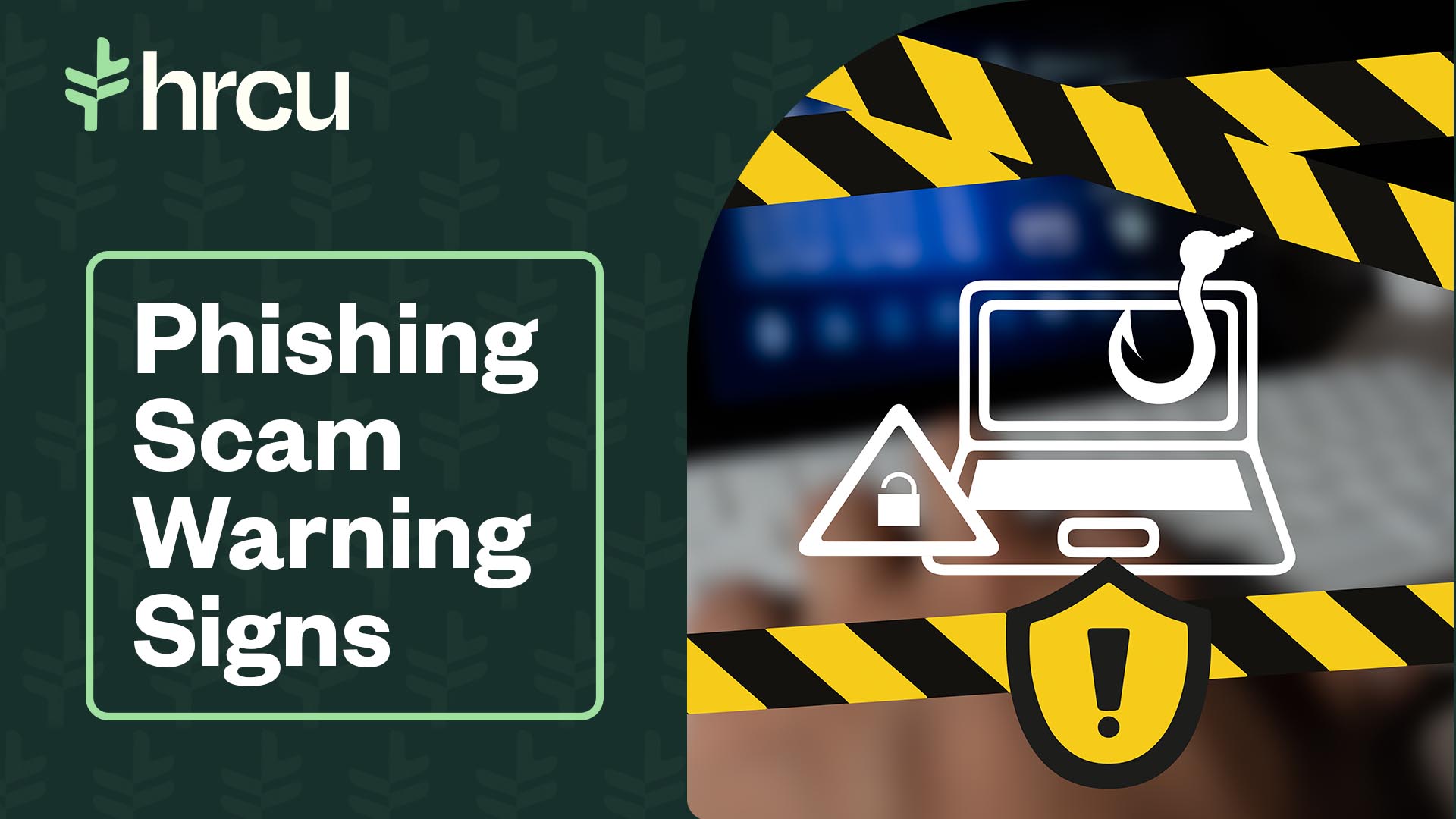
Phishing scams are among the most common forms of fraud today. Every day, criminals use emails, text messages, phone calls, and fake websites to trick people into sharing sensitive information or sending money.
The good news is that most phishing scams follow familiar patterns. Once you know the warning signs, you'll be better prepared to protect your personal information, accounts, and finances.
What Is a Phishing Scam?
A phishing scam is a type of fraud in which a criminal pretends to be a trusted organization or individual. The goal is to convince victims to provide sensitive information such as:
- Online banking credentials
- Passwords
- Account numbers
- Debit or credit card information
- Security codes
- Personal identifying information
Scammers often impersonate:
- Financial institutions
- Government agencies
- Delivery companies
- Technology providers
- Employers or coworkers
- Family members
Once criminals gain access to this information, they may steal money, access accounts, or commit identity theft.
Top Warning Signs of a Phishing Scam
One of the most common phishing tactics is creating panic.
Scammers may claim:
- Your account has been locked
- Suspicious activity was detected
- A payment failed
- Immediate action is required
Their goal is to make you react before taking time to verify the request.

You're Asked for Sensitive Information
Be cautious anytime someone asks for:
- Passwords
- PIN numbers
- One-time passcodes
- Online banking credentials
- Account numbers
Legitimate organizations generally will not ask for this information through unsolicited emails, text messages, or phone calls.
The Request Involves Gift Cards, Wire Transfers, or Cryptocurrency
Fraudsters often ask for payment methods that are difficult to trace or recover.
Major red flags include requests involving:
- Gift cards
- Wire transfers
- Cryptocurrency purchases
- Large cash withdrawals
Something Feels Off
Many phishing attempts contain:
- Misspellings
- Grammar errors
- Generic greetings
- Unusual wording
- Unprofessional formatting
While some scams are sophisticated, trust your instincts if something doesn't seem right.

Suspicious Links or Attachments
Never click links or download attachments simply because a message appears legitimate.
Instead:
- Verify the sender
- Visit websites directly
- Contact the organization using a trusted phone number
How to Stay Safe from Phishing Scams
Protecting yourself starts with a few simple habits:
- Never share passwords or security codes.
- Verify unexpected requests independently.
- Slow down before responding to urgent messages.
- Avoid clicking unfamiliar links.
- Keep devices and software updated.
- Enable multi-factor authentication whenever possible.
When in Doubt, Ask
Scammers rely on confusion, fear, and urgency. Taking an extra moment to verify a request can prevent financial loss and identity theft.
If you ever receive a message, email, or phone call that doesn't feel right, don't guess. Reach out to a trusted financial institution or fraud prevention professional for guidance.
Protecting yourself starts with asking questions.