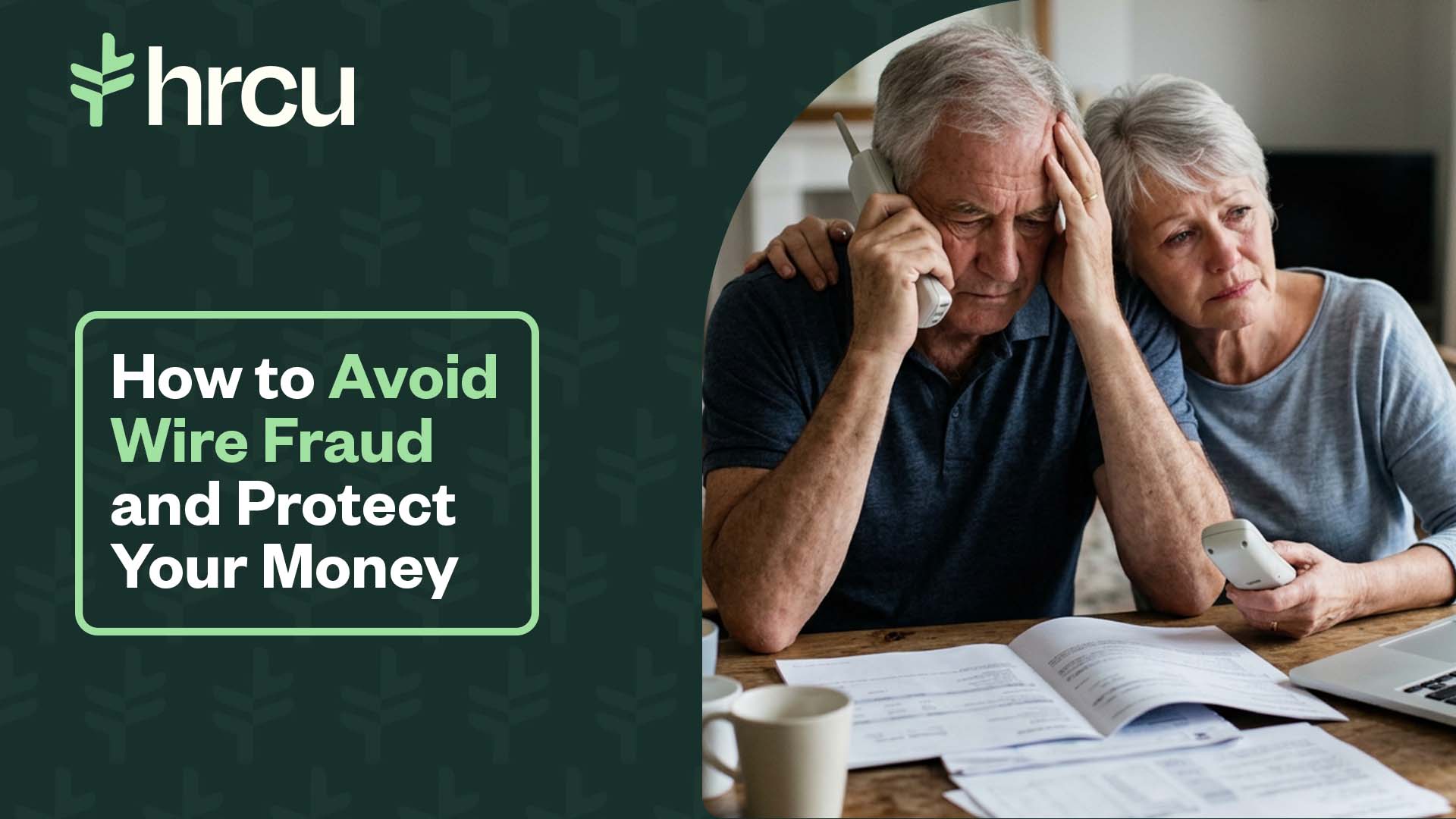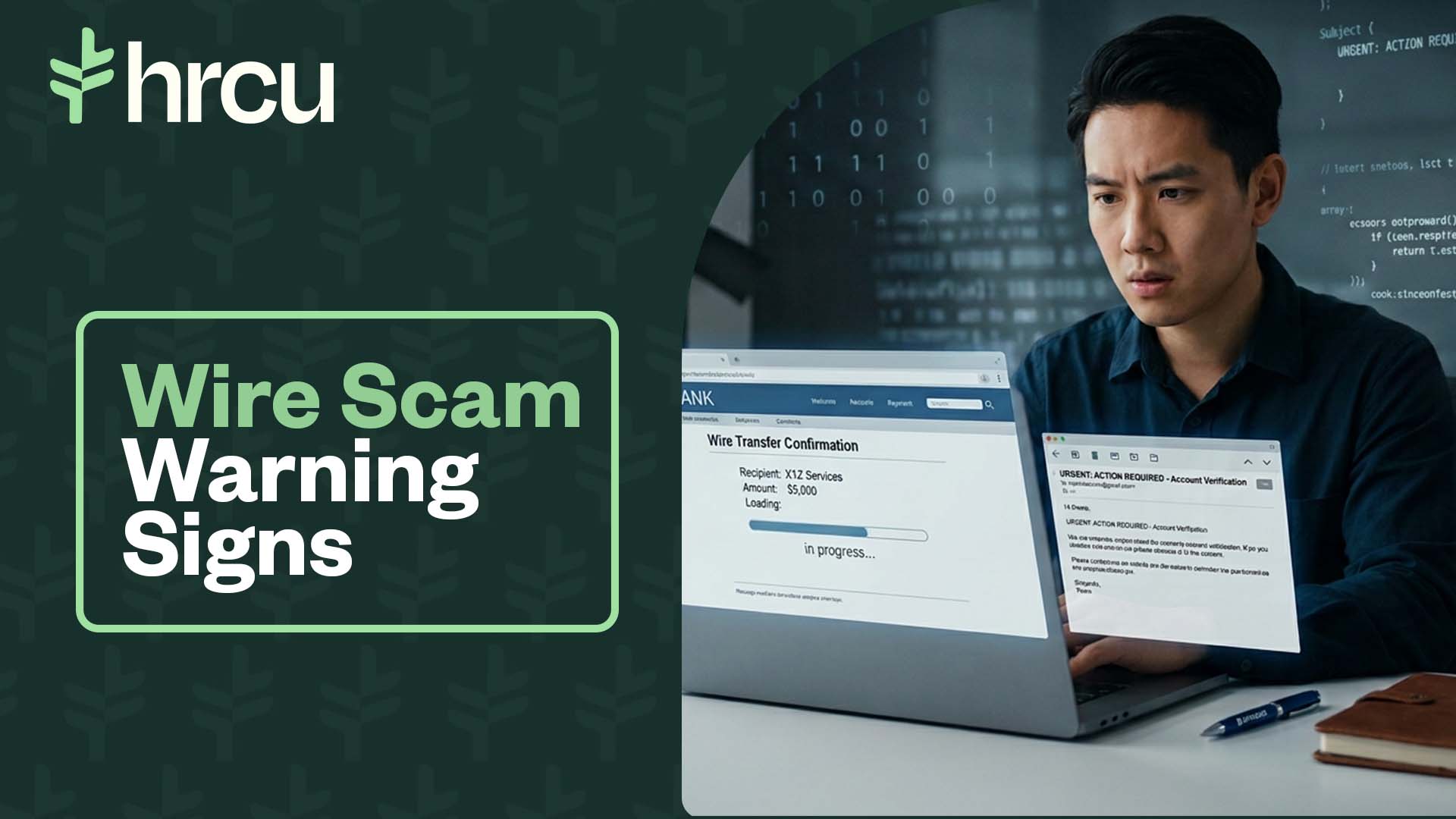
Wire transfers are a convenient way to move money, but they are also one of the most common methods scammers use to steal it. Unlike many other payment methods, wire transfers are often difficult, or even impossible, to reverse once funds are sent. That's why recognizing the warning signs of a wire scam before you send money is critical.
Fraudsters are skilled at creating panic, urgency, and confusion. They may claim to be a family member, government agency, business, or even a fraud investigator. Their goal is simple: convince you to send money before you have time to verify the request.
Why Wire Transfer Scams Are So Dangerous
Wire transfers are frequently treated like cash. Once the money leaves your account, recovering those funds can be extremely difficult.
Scammers know this and often pressure victims to act quickly before they can confirm whether the request is legitimate.
8 Common Wire Scam Red Flags
1. An Unexpected Request to Wire Money
Be cautious anytime someone unexpectedly asks you to send money by wire transfer, especially if the request arrives through email, text message, or a phone call.
2. Pressure to Act Immediately
Scammers often create a false sense of urgency by saying:
- "You need to send this today."
- "Your account is at risk."
- "This is your last chance."
The goal is to keep you from taking time to verify the situation.
3. Requests to Keep the Transaction Secret
If someone tells you not to discuss the transfer with anyone, including family members or your financial institution, it could be a scam.

4. Someone Claims to Be from a Trusted Organization
Fraudsters frequently impersonate:
- Government agencies
- Banks and credit unions
- Utility companies
- Fraud investigators
- Businesses you recognize
Always verify their identity independently.
5. Last-Minute Changes to Payment Instructions
One of the most common real estate scams involves criminals intercepting legitimate communications and providing new wiring instructions.
Never trust changed payment instructions without verifying them through a known phone number.
6. The Recipient Is Someone You've Never Met
Be especially cautious if you're being asked to wire money to someone you've only met online.
7. The Wire Transfer Is Presented as the "Only Option"
Scammers commonly claim that wiring money is the only way to:
- Fix a financial problem
- Claim winnings
- Secure an investment opportunity
- Help a loved one
Legitimate businesses rarely require a wire transfer as the only payment method.
8. You're Asked to Return Money After Receiving a Check
This is a classic overpayment scam. The original check may later bounce, leaving you responsible for the money you sent.
Stop and Verify Before You Send
If you notice any of these warning signs, pause before completing the transaction.
Verify requests using a trusted phone number - not the contact information provided in an email, text, or message. A simple phone call could prevent a significant financial loss. Wire fraud succeeds because scammers create urgency. The more pressure you feel to act quickly, the more important it is to slow down and verify the request.
Remember: If something feels off, trust your instincts and investigate before sending money.